
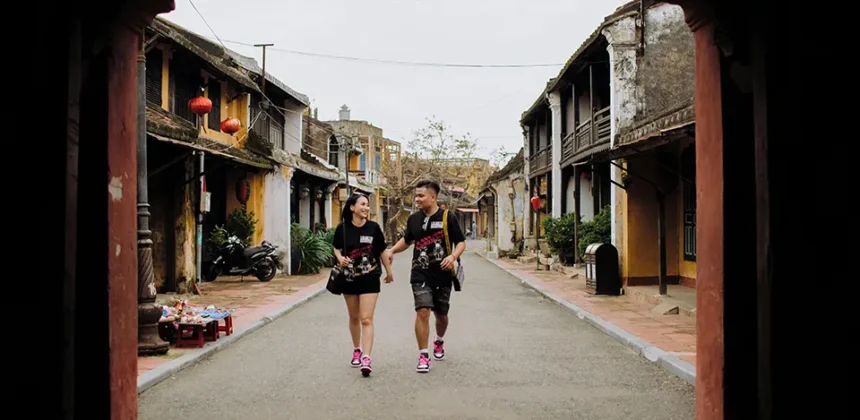
Hoi an walking route
A Hoi An walking route is far more than a casual stroll through cobblestone streets—it’s an immersion into centuries of living history, where every alleyway whispers stories of ancient merchants and every lantern glow creates moments you’ll treasure forever. To truly connect with Hoi An’s soul, you need more than a map. You need timing, direction, and insider knowledge about where locals gather versus where tourists congregate. This complete guide reveals exactly how to experience Hoi An on foot, combining morning cultural immersion, afternoon rest, and that magical evening transformation that makes this UNESCO site so unforgettable.
Planning Your Perfect Hoi An Walking Route: Timing Is Everything
Success on any Hoi An walking route depends on strategic timing. The town experiences dramatic shifts throughout the day. Early morning (6:30-9:00 AM) brings golden light, peaceful streets, and authentic local life. Midday (10:00 AM-4:00 PM) becomes brutally hot—reaching 38-40°C (100-104°F)—with crowds and tourist fatigue setting in. Evening (5:00 PM onward) is when Hoi An reveals its true magic, as lanterns illuminate and the ancient town transforms.
Morning Phase: Japanese Bridge to Central Market (6:30-9:00 AM)
Start your Hoi An walking route at the iconic Japanese Covered Bridge at sunrise. Arriving between 6:30-7:00 AM means golden morning light perfectly illuminates the bridge’s distinctive yellow walls, and you’ll share the space with locals rather than tour groups. Entry costs 20,000 VND ($0.85 USD), though you can admire the exterior free of charge. Spend 20-30 minutes observing the unique architectural blend of Japanese, Chinese, and Vietnamese elements, and notice the small temple inside dedicated to Tran Vo Bodhisattva.
From the bridge, your walking route naturally flows 100 meters west to Hoi An Central Market—the authentic heartbeat of the town. Open from 5:00 AM to 11:00 AM, this is where locals genuinely eat, not staged tourism. You’ll find street food vendors selling piping-hot com ga (chicken rice) for 35,000-45,000 VND, fresh fruit stalls bursting with dragonfruit and custard apple, and banh mi stands offering crispy baguettes for 20,000-30,000 VND. Order breakfast on a plastic stool, practice your broken Vietnamese, and watch the daily rhythm unfold. This single stop transforms your entire Hoi An walking route from tourist-focused sightseeing to genuine cultural immersion.
Mid-Morning: Lantern-Making Workshop (9:00-11:00 AM)
Continue your walking route to Nguyen Thai Hoc Street, where traditional lantern-making workshops cluster. Rather than purchasing pre-made lanterns, participate in creating one. Workshops like Yaly Couture offer hand-embroidered silk options, while family-run operations provide more personal experiences. Cost runs 100,000-150,000 VND ($4-6 USD) for 45-60 minutes, during which you’ll stretch silk, hand-paint designs, and assemble the wooden frame. You take home your creation—a tangible memory far more meaningful than any souvenir.
Strategic Rest: Why Your Walking Route Needs a Midday Break
Rather than pushing through brutal afternoon heat, your Hoi An walking route should include a substantial lunch and rest period from 11:30 AM to 2:00 PM. Eat at restaurants like Cao Lau Co. or Mermaid Restaurant, where meals cost 50,000-150,000 VND ($2-6 USD). Return to your hotel and rest—this isn’t laziness, it’s strategic recovery. You’re preserving energy for evening, when the real magic happens.
Evening Transformation: Why This Hoi An Walking Route Truly Comes Alive
The evening phase (5:00-8:00 PM) is when every Hoi An walking route reveals its greatest rewards. As golden hour approaches, return to the Ancient Town. The streets cool, shopkeepers light traditional lanterns, and the atmosphere shifts from exhausted tourists to romantic explorers. Start at Quan Am Pagoda Temple around 5:00 PM, then walk the riverside path along Hoai River, stopping at cafes like Malibu Cafe (known for Western-friendly service and great views) or Thu Hien Cafe (a quieter local favorite). Coffee costs 30,000-50,000 VND. Visit 2-3 Assembly Halls—these stunning Chinese-style buildings cost 50,000 VND each to enter, and evening light creates extraordinary photography opportunities. Secondary streets like Tran Phu and Nguyen Hue reveal different architectural faces most day-walkers miss.
Capstone Experience: Lantern Boat Tour (7:00-8:30 PM)
Your Hoi An walking route reaches its crescendo with an evening lantern boat tour on Hoai River. Departing between 6:00-8:00 PM for 60-90 minutes, tours cost 200,000-350,000 VND per person ($8-14 USD). You’ll see the entire Ancient Town illuminated and reflected in the water—a perspective impossible from any walking route on land. The experience feels romantic without artificiality; locals celebrate special occasions this exact way.
Complete Full-Day Hoi An Walking Route Itinerary
- 6:30-7:30 AM: Japanese Bridge photography and exploration
- 7:30-9:00 AM: Central Market breakfast and local food experience
- 9:00-11:00 AM: Lantern-making workshop participation
- 11:30 AM-2:00 PM: Lunch and hotel rest
- 5:00-7:00 PM: Evening walking route through temples, assembly halls, riverside cafes
- 7:00-8:30 PM: Lantern boat tour on Hoai River
- 8:30-9:30 PM: Late dinner at night market or riverside restaurant
Expert Tips for Your Most Memorable Walking Route
Avoid midday heat: Temperatures between 10:00 AM-4:00 PM make walking unpleasant and dangerous. The streets become congested with exhausted tourists.
Pack strategically: Lightweight cotton clothing, comfortable walking shoes, and always carry a hat or umbrella. Sunscreen is essential.
Hydration is non-negotiable: Carry at least 1.5 liters of water. Dehydration ruins the experience and your ability to enjoy cultural immersion.
Consider a local guide: Walking tours with local guides (1.5-2 hours) cost 150,000-300,000 VND and provide historical context and connections you’d otherwise miss.
Bring cash: Market vendors, family workshops, and small cafes rarely accept cards. ATMs are available, but having cash ensures smooth transactions.
A truly rewarding Hoi An walking route creates memories that linger long after departure. You’ve walked where ancient traders walked, tasted what locals taste, created something with your hands, and experienced this 500-year-old town as both timeless and vibrantly alive.