Hoi An Motorbike Tour to Cao Lau Makers: Taste Culinary Artistry
When you think of Hoi An, lantern-lit rivers and ancient streets come to mind. But venture beyond the main tourist paths, and you’ll discover something rarer: Hoi An motorbike tour cao lau experiences that connect you directly with master noodle makers who’ve perfected their craft across generations. This isn’t a commercial food tour with restaurant tables and scripted stories. It’s real access to artisans in their working workshops, understanding why cao lau is woven into Hoi An’s cultural DNA and how these humble noodles connect to centuries of history.
Why Cao Lau Belongs Only to Hoi An
Cao lau is a dish tethered to one place. Ask for it in Hanoi or Ho Chi Minh City, and you’ll get confused looks. This regional specialty emerged from Hoi An’s unique position as a historic Southeast Asian port town, where Chinese, Japanese, and Vietnamese traders converged. Centuries of cultural overlap created something impossible to replicate elsewhere.
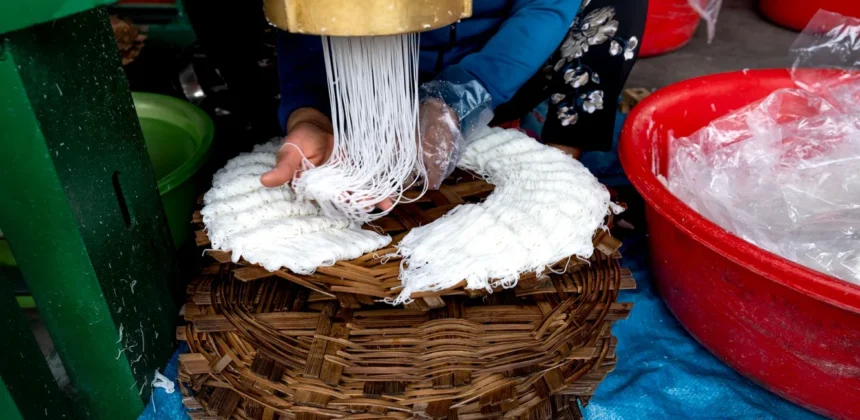
The dish appears simple: chewy noodles topped with crispy pork belly, fresh herbs, bean sprouts, and light broth. But beneath that simplicity lies meticulous technique. The noodles must be made from specific local rice flour mixed with lard, then pressed and pan-fried to achieve a texture that can’t be duplicated in any other region. Local legends credit the water or rare rice varieties from nearby fields, but the real secret lives in family recipes guarded and refined over 40, 50, even 60 years of daily practice.
A motorbike tour to cao lau makers lets you decode these secrets directly from people who live them every single morning.
What Happens During Your Hoi An Motorbike Tour
Unlike crowded food stalls with plastic chairs, an authentic tour escorts you on a scooter through residential neighborhoods to working noodle workshops. Your guide—often someone with family ties to local makers—navigates narrow alleys to unmarked shopfronts where elderly artisans have been awake since 3 or 4 AM, shaping dough by hand.
The Workshop Arrival
You’ll step into a space that doubles as someone’s home. Flour dust coats wooden tables. Hands move in practiced rhythms. The air smells of toasted lard and rice—no Instagram aesthetic, just authentic work happening. Many makers start their day in darkness; by the time you arrive, they’ve already shaped hundreds of noodle portions.
Direct Conversation with the Maker
Your guide translates as the artisan explains their family’s methods. How long have they been doing this? (Often 30–50 years.) Which ingredients are non-negotiable? Why do they wake before dawn? Why have they refused restaurant offers despite growing tourism? These aren’t rehearsed answers—they’re genuine reflections from people who see food-making as a calling, not a side income.
Tasting Fresh Cao Lau
You’ll eat a portion prepared minutes before, often at a small table in the workshop itself. No fancy plating. The atmosphere is simply the maker’s family eating their own breakfast nearby. But the flavor transforms when you’ve watched it come together and heard the decades-long story behind it.
Asking the Questions That Matter
Most makers welcome genuine curiosity. Ask why they use lard instead of oil. Ask what their children think about learning this craft. Ask how yesterday’s batch differed from today’s. These conversations often run long and become the tour’s most memorable moments.
Why Choose a Motorbike for This Experience
Cao lau makers don’t cluster in one tourist zone—they’re scattered throughout Hoi An’s residential areas. A motorbike gives you the mobility to visit multiple workshops in one morning, but more importantly, it connects you to how locals actually navigate the town. You’ll ride through quiet streets where families eat breakfast and schoolchildren walk to class. You’ll feel different neighborhoods’ textures and arrive at makers’ workshops with genuine spontaneity.
Traveling by motorbike also lowers psychological barriers. You’re not arriving in a branded van with signage. You’re just two people on a scooter, which somehow feels more authentic to everyone involved—both visitors and makers.
Meeting the Artisans Behind the Noodles
These aren’t young entrepreneurs chasing Instagram trends. They’re typically people in their sixties, seventies, or eighties who learned from parents and grandparents. Many speak limited English, yet that limitation often enriches the exchange.
You might meet Mrs. Thanh, making cao lau since 1975, who can explain exactly why her noodles taste different from her sister’s across town. Or Mr. Hoa, who refused machines for kneading dough despite arthritic hands, because he believes hands understand dough in ways machines never will. These real stories reveal how tradition navigates rapid change.
Important Details Before You Book
This experience won’t be luxurious or Instagram-perfect. Workshops are basic. Seating might be a plastic stool. The food is humble. You might arrive during busy hours when the maker is too busy for extended conversation—the actual business of making and selling cao lau doesn’t pause for tourism. That’s precisely the point: you’re witnessing real work, not consuming a curated experience.
Practical Tips:
- Book tours starting early (6–7 AM) when makers are most active
- Bring cash—most artisans don’t accept cards
- Wear comfortable clothes; scooters are casual transport
- Ask your guide about maker specialties before visiting
- Consider visiting 2–3 different makers in one tour for comparison
A Hoi An motorbike tour to cao lau makers offers something increasingly rare: genuine access to living culinary tradition. You’ll leave understanding not just a dish, but the dedication, history, and human artistry woven into every bowl.