
Is hoi an worth visiting
Wondering is Hoi An worth visiting? If you’re planning your Vietnam adventure, the answer is a resounding yes—but not because of tourist hype. It’s grounded in real experiences that transform casual travelers into devoted fans. This UNESCO-listed town blends centuries-old heritage with genuine hospitality in ways that few destinations achieve. Whether you’re seeking romantic river evenings, cultural immersion, or unexpected human connections, Hoi An delivers authentically on every front.
Why Hoi An Is Worth Visiting: More Than Just History
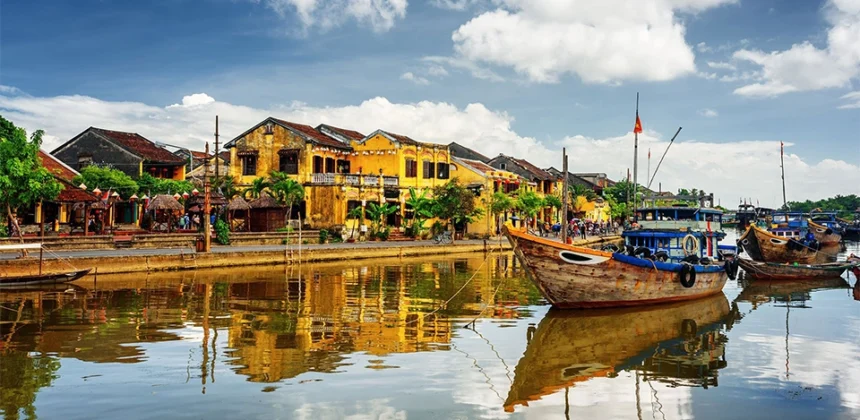
UNESCO recognized Hoi An as a World Heritage site for compelling reasons that extend beyond preserved architecture. The ancient town’s yellow-ochre buildings, intricate wooden shutters, and hand-painted signs tell stories of merchants, craftspeople, and families spanning generations. What truly sets Hoi An apart is its refusal to sacrifice authenticity for tourism. Yes, souvenir shops line main streets, but venture one block away and you’ll discover locals living their daily lives—children heading to school, families eating breakfast at modest eateries, tailors working at heritage family shops. This genuine blend of culture and tourism creates something rare worth experiencing.
The Unforgettable Lantern Boat Experience on Hoai River
If you do one thing in Hoi An, take an evening lantern boat tour on the Hoai River. This is the signature experience that transforms the town from “nice to see” into “life-changing.” Here’s what you need to know:
- Operating Hours: Daily from 5:00 PM to 11:00 PM, with boats departing every 15-30 minutes
- Ticket Prices: $8-15 USD per person for 30-45 minute tours
- Best Timing: Arrive 6:00-7:00 PM for golden hour light and manageable crowds. Early morning departures (6:00 AM) offer peaceful, misty alternatives
- What to Expect: You’ll sit on a wooden boat, release a flickering silk lantern into the water, and watch dozens of others create a magical constellation on the river’s surface
- Pro Tip: Book through your hotel or local guide rather than street vendors. You’ll receive better service, historical insights, and often discounts. Bring a light jacket for evening river breezes
Best Season: February through April offers ideal conditions—low humidity, minimal rain, and pleasant temperatures. Avoid May-August due to intense heat and October monsoon flooding that temporarily affects attractions.
Hands-On Workshops: Learn from Local Artisans
Move beyond passive tourism through meaningful workshops connecting you with craftspeople preserving centuries-old traditions.
Lantern-Making Workshop
Create your own silk lantern under guidance from artisans who’ve practiced this craft for decades. These 90-minute to 2-hour sessions cost $10-15 per person and guide you through folding bamboo frames, stretching silk, and adding decorative touches. You’ll leave with a tangible souvenir and deeper understanding of lantern cultural significance. Most workshops operate 8:00 AM-5:00 PM daily, with mornings offering less crowded experiences.
Cooking Classes
Vietnamese cuisine extends far beyond pho. Hoi An cooking classes ($15-25 USD, lasting 2-3 hours) typically begin with market visits to where locals actually shop. You’ll cook 4-5 local dishes in a home kitchen, learning cao lau, banh mi Hoi An style, calamansi chicken, and regional specialties found nowhere else in Vietnam. The experience delivers both a meal you’ve created and genuine understanding of Vietnamese culinary philosophy.
Explore Beyond the Ancient Town
Hoi An’s surroundings reveal another dimension entirely. Bicycle tours ($12-18 USD, 2-3 hours) take you through rice paddies, rural villages, and waterways where you’ll see water buffalo and farmers working as they have for centuries. Go early (8:00 AM starts) to avoid heat and experience villages before they become busy.
Visit Cao Lau Market at dawn for the genuine pulse of local life—where Hoi An residents buy daily necessities, surrounded by bustling vendors and fresh produce. This authentic experience contrasts sharply with tourist-oriented markets.
Authentic Food: Taste Stories, Not Just Meals
Cao lau may be famous, but order beyond it: banh mi banh hoi (wet banh mi using rice paper), calamansi chicken, and regional specialties found exclusively in Hoi An. Satisfying meals at local restaurants cost $2-5 USD. Skip tourist-facing establishments near the river unless you want that specific experience—the best food happens at simple eateries where locals eat.
Planning Your Perfect Hoi An Visit
- Best Times: February-April (perfect weather, larger crowds); September-November (fewer tourists, lower prices, acceptable weather)
- Ideal Duration: 2-3 days allows genuine immersion without rushing. Day one: explore ancient town and lantern boat tour. Day two: workshops or cooking class. Day three: countryside bicycle tour and market exploration
- Getting Around: The ancient town is walkable. Bicycle rentals cost $1-2 USD daily. Local guides ($15-20 USD per day) provide invaluable cultural insights and insider access
Is Hoi An worth visiting? Absolutely. This UNESCO gem offers authentic cultural immersion, breathtaking river experiences, hands-on artisan workshops, and genuine local hospitality that few destinations match. Come prepared to wander, connect with locals, and discover why travelers return with transformed perspectives about Vietnam and themselves.